

Hospice
St Barnabas Hospice
Measuring the value of specialist palliative care for patients, families and the health system
Rose Regeneration used the Social Value Engine to assess St Barnabas Hospice’s In-Patient Unit in Lincolnshire. The analysis found £10.27 million of social value in 2023/24, a return of £4.12 for every £1 invested, covering patient care, family support, clinical training and wider health-system benefits.
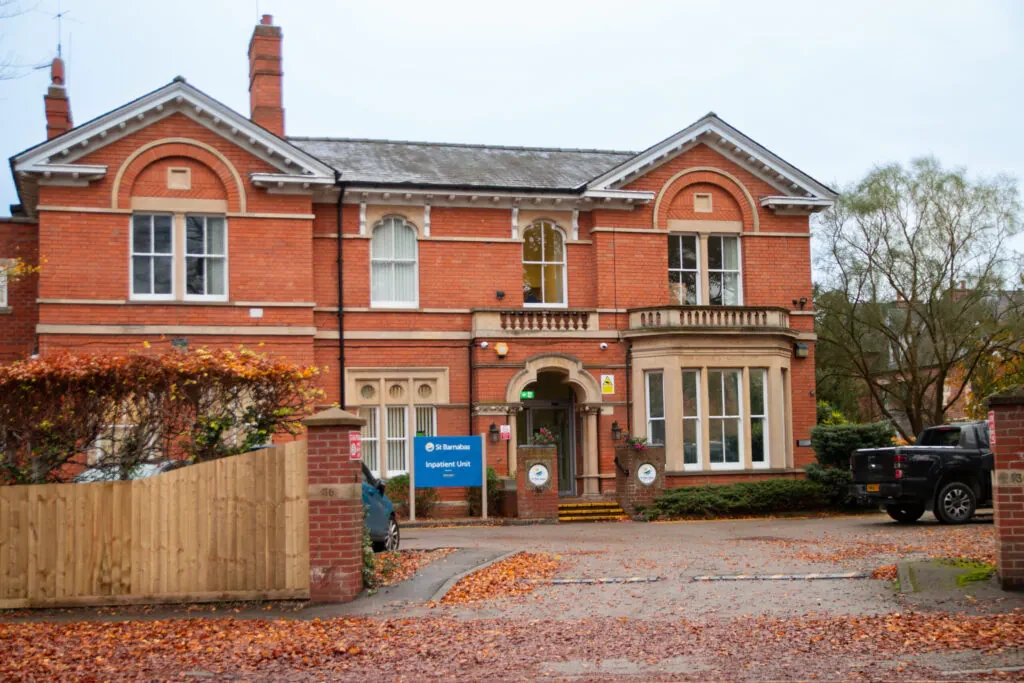
St Barnabas Hospice is a leading Lincolnshire hospice. It helps people with life-limiting illnesses, and the people close to them, to live as fully as possible for the time they have left together. Its In-Patient Unit (IPU) is a consultant-led, 11-bed specialist palliative care unit that provides 24-hour care for the most complex cases. It manages pain and symptoms outside the home and away from acute hospital settings. The unit is commissioned by Lincolnshire ICB, supported by charitable funding, free at the point of contact and rated outstanding by the CQC. Families receive wellbeing support, counselling, help with welfare and debt, and pre-bereavement and bereavement support. The unit also trains GP registrars and other clinicians, and offers 24-hour advice to external healthcare professionals. The team was confident about the difference the unit makes. Activity figures alone could not show the full breadth of that value for patients, families, the workforce and the wider health system.
The challenge
Like many hospices, St Barnabas operates under constant financial pressure. It depends on a mix of NHS commissioning and charitable income to sustain a highly specialised, resource-intensive service. The hospice needed to show the value of specialist palliative care beyond bed occupancy and patient numbers, and capture benefits for families, carers, staff, trainees and partner organisations. It also needed to show the unit’s role in preventing unplanned hospital admissions and reducing pressure on GPs and the acute sector. Commissioners, the ICB and charitable funders needed a credible, evidence-based case using measures recognised by the wider NHS system. End-of-life care is especially hard to measure: dignity, comfort, a patient’s preferred place of death and families’ peace of mind do not appear in standard performance data.
The solution
St Barnabas asked Rose Regeneration to carry out a social value analysis of the In-Patient Unit using the Social Value Engine. The Social Value Engine is accredited by Social Value International and is used across the NHS system in Lincolnshire, allowing the hospice’s results to be compared with those of its health partners on a common set of measures. Working with key staff, Rose Regeneration developed and validated a Theory of Change for the unit, setting out the need it meets, its activities and the changes those activities bring about. The hospice’s performance data was matched to ten financial proxies from the Social Value Engine library. These cover patient care, the psychological value of wraparound support, debt advice for families, reduced family anxiety and stress, clinical training, staff leadership and satisfaction, volunteering, collaboration with partner organisations, and the local economic effect of the funds the hospice raises. To avoid overclaiming, each outcome was adjusted for deadweight, attribution, drop-off and displacement, using the Homes and Communities Agency Additionality Guide and benchmarks from more than 400 Social Value Engine assessments. Every outcome was also mapped to the UN Sustainable Development Goals.
Key outcomes
Closing summary
The analysis shows how the In-Patient Unit supports families, develops clinicians and works closely with the rest of the health system, alongside specialist end-of-life care. Because the NHS in Lincolnshire uses the same Social Value Engine approach, St Barnabas has a baseline for regular reassessment, benchmarking against partners and reporting to commissioners and funders. The evidence also supports the case for developing the service further, including the overnight and seven-day admissions the team has identified as being of real value.

Ready to measure your impact?
Join organisations like St Barnabas Hospice using the Social Value Engine to produce credible, auditable SROI evidence.